
How Ontario Classifies the Most Serious Injuries After an Accident
After a major collision, families often use words such as severe, devastating, or life-changing to describe what has happened. Ontario insurance law uses a different vocabulary. Under the Statutory Accident Benefits Schedule, the most serious accident-related impairments may be classified as a “catastrophic impairment
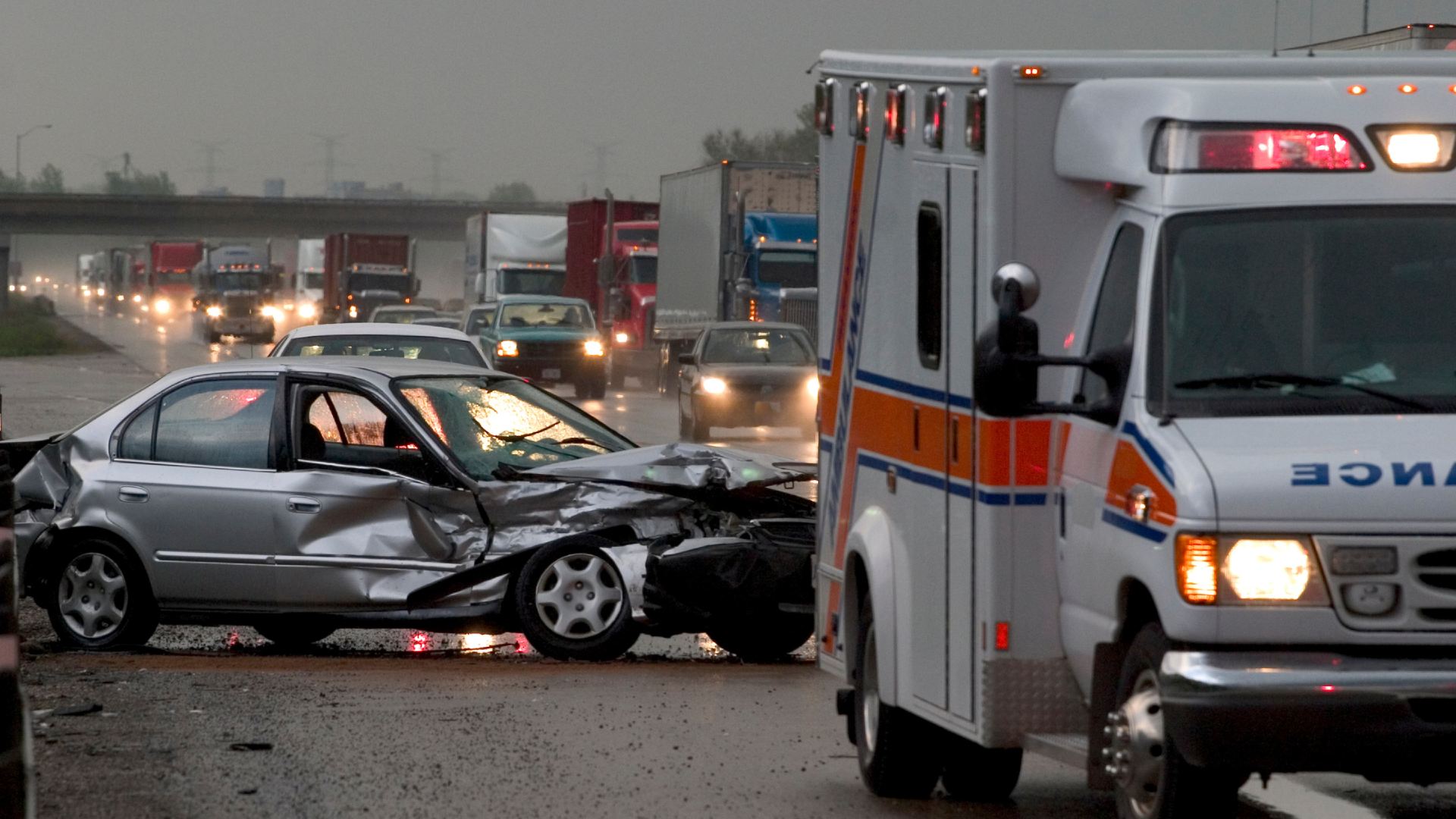
The Injury You May Not Recognize at the Scene
A person can walk away from a car accident, answer questions clearly, and believe they escaped a serious injury. Hours later, the headache starts. The next morning, reading feels difficult. Over the following days, the person becomes unusually tired, irritable, forgetful, sensitive to light, or unable to concentrate at work.
This pattern is common in brain injury cases. A concussion is a form of traumatic brain injury, and the signs are not always immediate or visible. The absence of a skull fracture, loss of consciousness, or abnormal routine imaging does not necessarily mean the brain was unaffected.
The legal consequences can be significant. When symptoms are not documented early, an insurer may argue that they were caused by something else, exaggerated, or unrelated to the collision. Our car accident lawyers therefore look closely at the timeline of symptoms, treatment, work difficulties, family observations, and functional change after the crash.
Why Brain Injury Symptoms Are Often Missed After a Car Accident
Symptoms Can Be Delayed
Canadian public-health guidance recognizes that concussion symptoms may not be obvious immediately. The Public Health Agency of Canada advises people to seek medical help when a concussion is suspected, while Canadian concussion experts note that symptoms can emerge or worsen during the first hours after an impact.
A Direct Blow to the Head Is Not Required
A concussion can result from a blow to the head, face, or neck, or from an impact to the body that jars the head. Parachute Canada explains that a concussion affects how a person thinks and remembers and may not be visible on routine scans. A rapid acceleration-deceleration movement in a collision can therefore injure the brain even when the person does not remember hitting their head.
Other Injuries Demand Immediate Attention
At the scene and in the emergency department, obvious injuries often take priority. Fractures, bleeding, neck pain, chest pain, and vehicle trauma can dominate the first assessment. Cognitive, emotional, sleep-related, and sensory changes may only become noticeable after the immediate crisis passes.
Routine Imaging May Be Normal
CT scans and MRIs are important tools for identifying bleeding, swelling, fractures, and other structural injuries. Many concussions, however, do not produce a finding on routine imaging. Diagnosis is often clinical and based on the mechanism of injury, symptoms, examination, and ongoing function. An insurer may misuse a normal scan as proof that no brain injury occurred, even though that conclusion is medically incomplete.
Symptoms Are Mistaken for Stress, Pain, or Fatigue
Headaches, poor sleep, irritability, slowed thinking, anxiety, and fatigue can be blamed on the stress of the accident, medication, pain from another injury, or disruption to a normal routine. Those factors may overlap, but they do not rule out a brain injury. The complete clinical picture must be assessed over time.
Symptoms That May Appear Hours or Days Later
Brain injury symptoms vary. They may fluctuate, become more noticeable with activity, or only emerge when a person tries to resume work, school, driving, screen use, exercise, or household responsibilities.
· Physical symptoms: headache, pressure in the head, dizziness, nausea, balance problems, blurred vision, sensitivity to light or sound, and unusual fatigue.
· Cognitive symptoms: slowed thinking, difficulty concentrating, memory problems, confusion, word-finding difficulty, or feeling “foggy.”
· Emotional and behavioural symptoms: irritability, anxiety, sadness, reduced tolerance for noise or stress, impulsivity, or personality change.
· Sleep symptoms: sleeping more or less than usual, difficulty falling asleep, frequent waking, or feeling unrefreshed despite rest.
Some symptoms require urgent medical attention, including a worsening severe headache, repeated vomiting, seizure, increasing confusion, weakness or numbness, double vision, or loss of consciousness. This article is not a substitute for medical care. Call 911 or seek emergency assessment when symptoms are severe or worsening.
Why a Delayed Diagnosis Can Create Legal Problems
The Insurer May Challenge Causation
If the first medical note does not mention head symptoms and the complaints appear days or weeks later, the insurer may argue that the collision did not cause them. The defence may point to a prior concussion, migraine history, anxiety, sleep problems, or another event. A credible timeline and consistent medical reporting are essential to address those arguments.
Gaps in Treatment Can Be Misinterpreted
People often delay treatment because they expect to improve, cannot get an appointment, lack transportation, or feel overwhelmed. Insurers may present the same gap as evidence that the condition was not serious. The reason for the delay should be documented rather than left unexplained.
Returning Too Quickly Can Complicate Recovery and Evidence
A person may return to work or normal activity before realizing that concentration, screen time, driving, noise, or physical exertion makes symptoms worse. A failed return can be important functional evidence. It should be reported accurately to the treating team and employer rather than minimized out of embarrassment or fear of losing work.
Waiting for a Perfect Diagnosis Can Put the Claim at Risk
The 2026 Ontario Court of Appeal decision Lloyd v. Baker, 2026 ONCA 434 is an important warning. The plaintiff suffered post-concussion symptoms after a motor vehicle collision but waited years to start her lawsuit. The Court held that the limitation period did not wait for a later formal neuropsychological opinion when the ongoing symptoms and medical information available earlier were enough to make the claim discoverable.
The practical lesson is not that every headache requires a lawsuit. It is that a person should not assume the legal clock is paused while they hope to recover. Ontario limitation periods are fact-specific, and some notice deadlines can be much shorter than two years. Early legal advice protects options without requiring an immediate decision to litigate.
What Evidence Helps Build a Brain Injury Claim?
· Emergency and primary-care records that document the mechanism of injury and the first reported symptoms.
· A consistent symptom history across family doctors, specialists, physiotherapists, occupational therapists, and other providers.
· A daily symptom and activity journal that records what the person attempted, what triggered symptoms, and what could not be completed.
· Statements from family members, friends, coworkers, and teachers who observed changes in memory, mood, communication, stamina, or behaviour.
· Employment or school evidence showing missed time, reduced duties, accommodation needs, errors, declining performance, or a failed return.
· Neuropsychological, neurological, vestibular, psychological, occupational-therapy, or functional evidence where clinically appropriate.
· Records of prior health conditions so the legal and medical teams can distinguish pre-existing symptoms from accident-related change.
The strongest claim is not built by repeating that a brain injury is serious. It is built by showing, in specific and consistent terms, how the person functioned before the collision, what changed afterward, and why those changes are medically connected to the accident.
What Accident Benefits May Help?
Ontario accident benefits may fund reasonable and necessary medical and rehabilitation services after a collision, regardless of fault. Depending on the evidence, treatment may include physiotherapy, occupational therapy, psychological treatment, vestibular rehabilitation, assessments, assistive devices, and attendant care.
Since July 1, 2026, medical, rehabilitation, and attendant care benefits remain mandatory, while benefits such as income replacement and non-earner benefits are optional. The policy in force at the time of the accident must be reviewed. A person who cannot work may also have a separate long-term disability policy and should not assume that one insurer will coordinate every source of support.
A severe traumatic brain injury may qualify for the catastrophic impairment designation under the SABS if the prescribed imaging and functional criteria are met. Other brain injuries can be removed from the Minor Injury Guideline without meeting the catastrophic test. These are different legal questions, and each affects the available treatment funding.
What to Do If Symptoms Develop After You Leave the Scene
1. Seek medical assessment promptly and describe the collision mechanism, including any head movement, impact, confusion, memory gap, or immediate “dazed” feeling.
2. Report every symptom, not only pain. Mention cognitive, emotional, sleep, balance, vision, and sensory changes.
3. Follow the return-to-work, return-to-school, driving, and activity guidance provided by qualified health professionals.
4. Keep a written record of symptoms, appointments, missed work, medication, and tasks that have become difficult.
5. Ask someone close to you to record changes they notice. Brain injury can affect self-awareness, and family observations may be important.
6. Request and preserve the applicable auto policy and accident-benefit documents.
7. Speak with a personal injury lawyer before limitation or dispute deadlines pass.
Frequently Asked Questions
Can I have a concussion if I did not hit my head?
Yes. A force to the body can rapidly move the head and brain and cause a concussion. A direct head strike is not required. A qualified physician or nurse practitioner should assess a suspected concussion.
Can a concussion claim succeed if my CT scan or MRI was normal?
Potentially. Many concussions do not appear on routine imaging. The claim may rely on the clinical history, symptoms, functional evidence, treatment records, and expert opinion. Imaging is only one part of the evidence.
What if I felt fine at the accident scene but developed symptoms the next day?
Delayed or evolving symptoms are possible. Seek medical care promptly, explain when each symptom began, and avoid guessing or minimizing. The timing should be documented accurately in the medical record.
How long do I have to start a brain injury lawsuit in Ontario?
Ontario commonly applies a two-year discoverability-based limitation period, but the analysis is fact-specific and some notice deadlines are much shorter. Lloyd v. Baker confirms that the clock may start before a final specialist diagnosis. Obtain legal advice promptly.
HSP Law: Building the Full Record of a Brain Injury
At HSP Law, we understand that a brain injury after a car accident may be invisible to everyone except the person trying to live with it. Our personal injury lawyers work to connect the medical record with the real effect on work, family life, independence, and future care.
If symptoms appeared after you left the scene, or an insurer is questioning a concussion or traumatic brain injury claim, contact HSP Law for a free case evaluation.
Free consultation. No upfront legal fees. No fee unless HSP Law recovers compensation for you.
Call HSP Law: 1-866-883-3533 | Free Case Evaluation Available 24/7
This blog is intended for general informational purposes and does not constitute legal advice. The law and insurance coverage can change, and the outcome of any claim depends on its specific facts. If you have been injured or have questions about your rights under Ontario law, consult a qualified personal injury lawyer.
External sources referenced: Public Health Agency of Canada concussion guidance | Parachute Canada concussion resources | Brain Injury Canada recovery guidance | Lloyd v. Baker, 2026 ONCA 434
